
Paint protection for cars: five simple tips.
Paint protection for cars: five simple tips.
Protecting your vehicle’s finish is all about smart maintenance and quality products for long-lasting showroom shine.
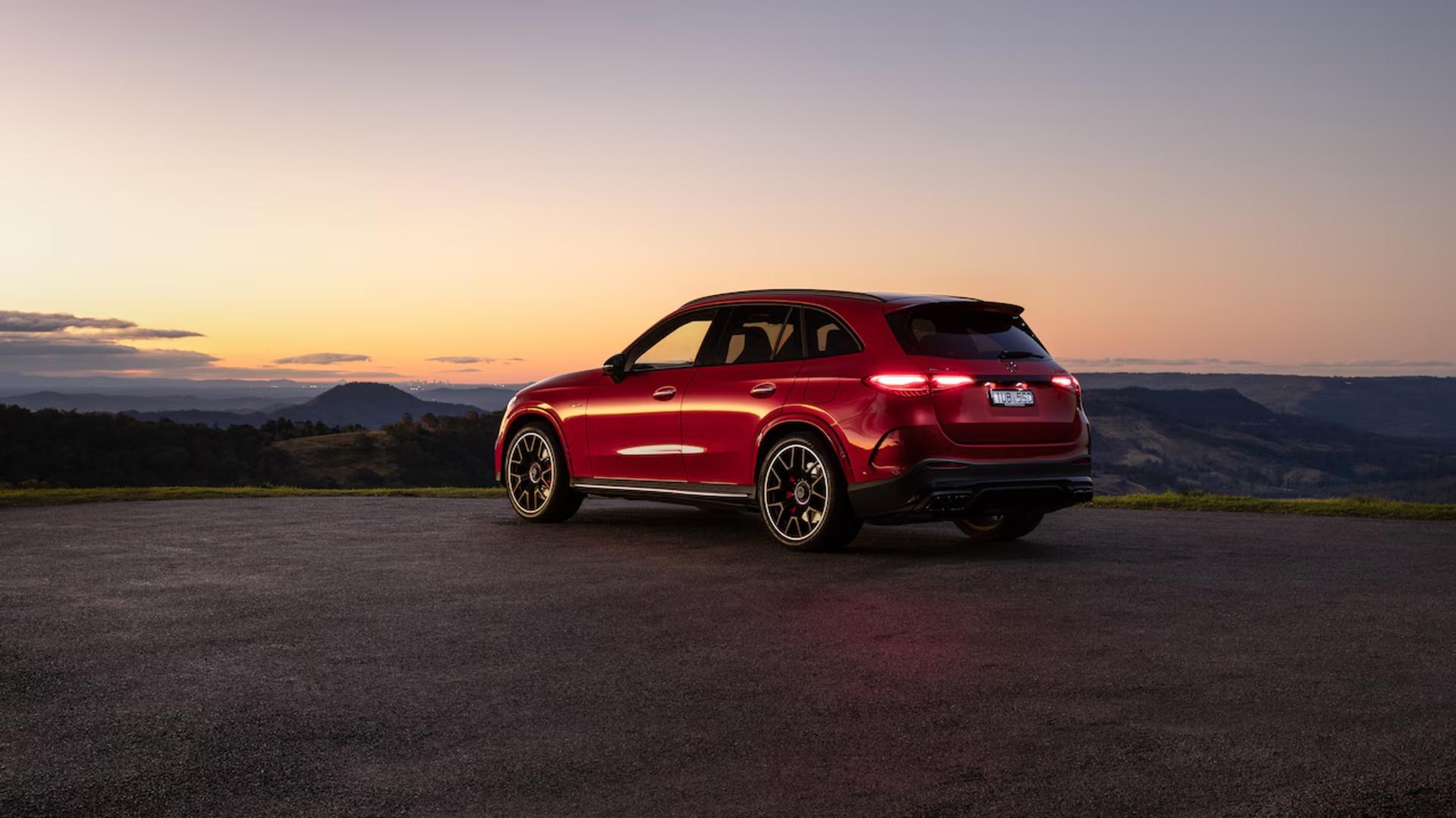
Image credit/photographer: Nathan Jacobs
At Tynan Motors Mercedes-Benz Miranda, we understand that protecting your vehicle’s finish is about more than just appearance – it’s about preserving performance, value and pride of ownership. Your car’s paintwork is the first line of defence against the elements and a defining feature of its design, especially in a luxury vehicle.
Whether you’re driving a daily commuter or a refined Mercedes-Benz finished in a bespoke colour, proper paint protection is essential for maintaining that showroom shine.
Modern automotive paint systems are highly advanced, but they’re not invincible. In Australia’s harsh conditions, UV exposure can fade paint over time, environmental contaminants can damage clearcoat, and poor washing techniques can leave swirl marks and scratches. Investing in paint protection not only enhances aesthetics but also helps avoid costly repairs in the future.
For Mercedes-Benz owners, paint protection is even more important. Through the Mercedes-Benz MANUFAKTUR program, select models can be customised with exclusive finishes, including deep metallics and sophisticated matte paints. These premium finishes are designed to stand out – and protecting them ensures their craftsmanship and exclusivity endure.
Common causes of car paint damage
Before exploring paint protection options, it’s important to understand what your vehicle is exposed to on a daily basis.
Sunlight and UV exposure Australia’s intense sun is one of the biggest threats to your vehicle’s paint. Prolonged exposure can oxidise the clearcoat, leading to fading and dullness.
Bird droppings and tree sap. Highly acidic, these contaminants can quickly etch into the paint surface, especially in warm conditions.
Road debris and contaminants: Stone chips, tar, brake dust and industrial fallout can embed into paint and cause long-term damage if not removed properly.
Improper washing techniques, using harsh detergents, dirty sponges or automatic car washes can introduce fine scratches and swirl marks, reducing gloss and clarity.
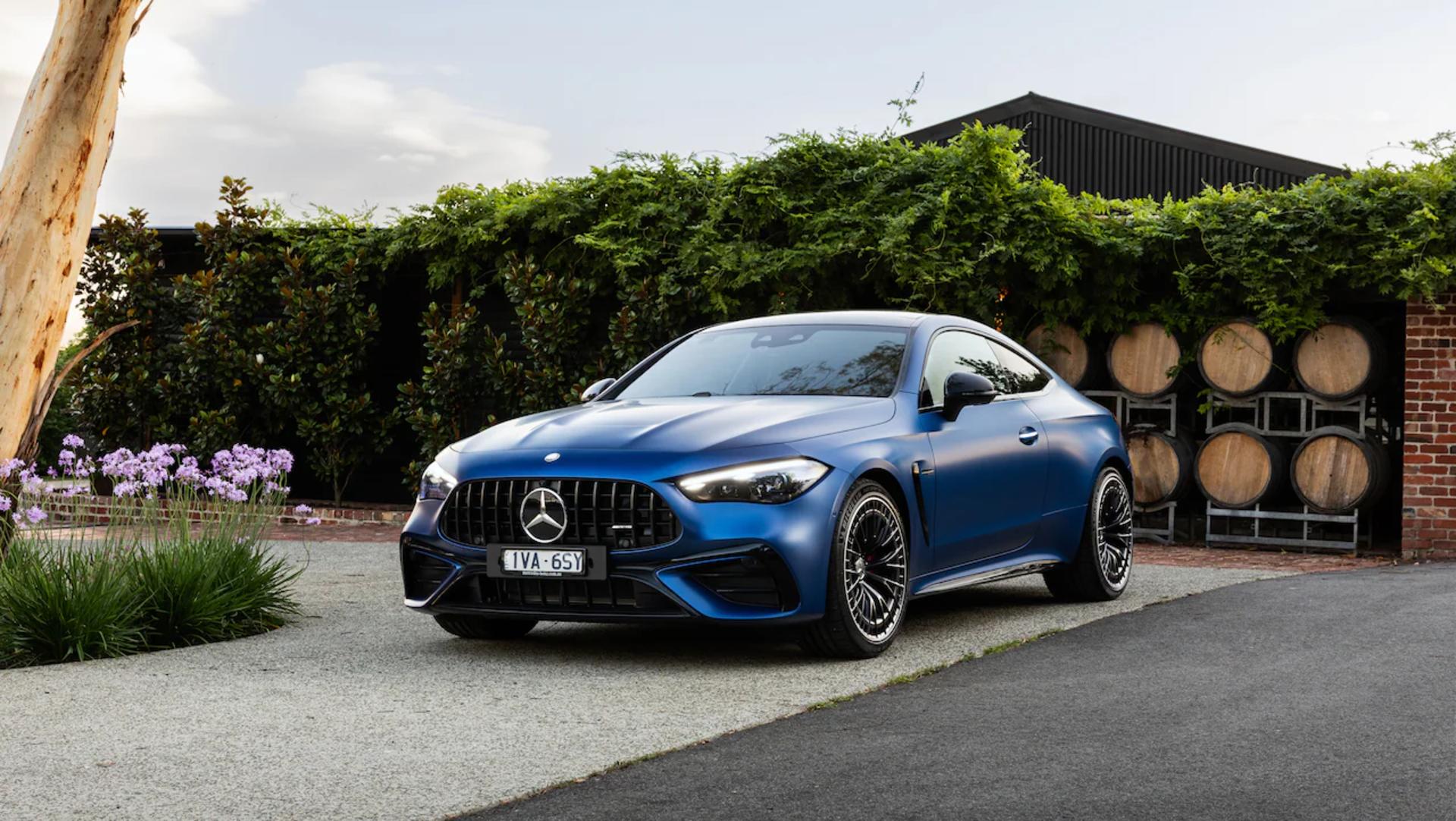
Image credit/photographer: Nathan Jacobs
How to protect car paint from sun and everyday hazards
For effective car paint protection, consistency is key.
1. Wash regularly, but correctly
Washing your car every two weeks is a good rule of thumb; more frequently if it’s exposed to coastal air, heavy pollution or country roads. Use a pH-neutral automotive shampoo, a microfibre wash mitt and the two-bucket method (one for soapy water, one for rinsing).Avoid dishwashing liquid or harsh cleaners, as these strip protective layers. Finally, dry with a clean microfibre towel or a dedicated car dryer to prevent water spots.
2. Apply wax or paint sealant
Quality waxes and synthetic sealants add a protective layer over the clearcoat. They enhance shine while helping shield against UV rays and contaminants. Depending on the product, you should reapply every three to six months.For longer-term paint protection on cars, consider a professional ceramic coating. These form a semi-permanent bond with the paint surface and offer enhanced chemical and UV resistance.
3. Consider paint protection film
Paint protection film (PPF) is a transparent urethane film applied to high-impact areas such as the bonnet, front bumper and side mirrors. It’s particularly useful for performance cars and highway driving, as it guards against stone chips and minor abrasions. For new car paintwork protection, PPF can be installed from day one to preserve a factory-fresh finish.
4. Remove contaminants promptly and safely
If bird droppings or sap land on your car, remove them as soon as possible. Use a damp microfibre cloth and a dedicated quick-detailing spray. Avoid scrubbing aggressively. For stubborn contaminants like tar, use a purpose-made tar remover rather than household solvents.
5. Smart parking strategies
Whenever possible, park in shaded areas or in a garage to reduce UV exposure. If outdoor parking is unavoidable, consider a breathable car cover. This is one of the simplest ways to shield it from sun damage.
Signs of paint damage – and what to do
Look out for dull patches, chalky residue, swirl marks or visible etching, as early-stage oxidation can sometimes be corrected with professional paint correction. Stone chips should be addressed quickly to prevent rust – small chips can often be repaired with carefully matched touch-up car paint.
If you notice widespread faded car paint or peeling clearcoat, consult a reputable body shop. Acting early can prevent minor issues from becoming major expenses.
Protecting your car’s paintwork is an investment in longevity and shows pride of ownership. With regular care, smart preventative strategies and the right products, your vehicle – whether finished in classic metallic or an exclusive MANUFAKTUR shade – can retain its showroom shine for years to come.
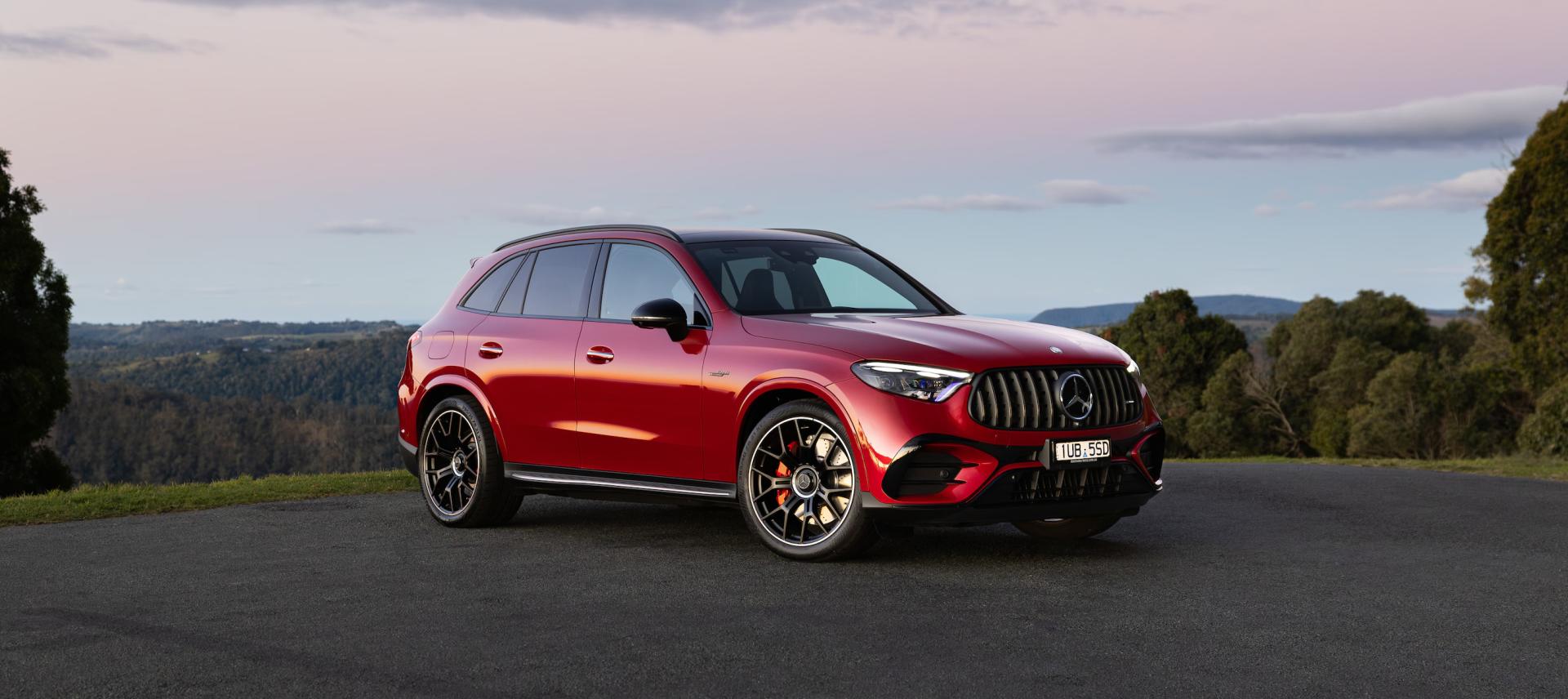
Image credit/photographer: Nathan Jacobs